10 Best AI Voice Generators for YouTube and Podcasts in 2026
Learn how to build AI-powered sales workflows with Lemlist in 2026. Explore AI agents, lead research, enrichment, personalization, outreach, signals, and campaign automation.
Quick Know
Creating videos and podcasts no longer requires an expensive studio, a professional microphone setup, or hours of recording. AI voice generators can turn a written script into natural-sounding speech in minutes.
For YouTube creators, these tools are useful for explainers, faceless channels, tutorials, product reviews, short videos, and multilingual content. For podcasters, they can help with intros, ad reads, episode summaries, narration, and accessibility versions.
However, the best AI voice generator is not simply the one with the most voices. You should look at voice quality, emotional control, supported languages, editing options, licensing, and whether the output feels natural for your audience.
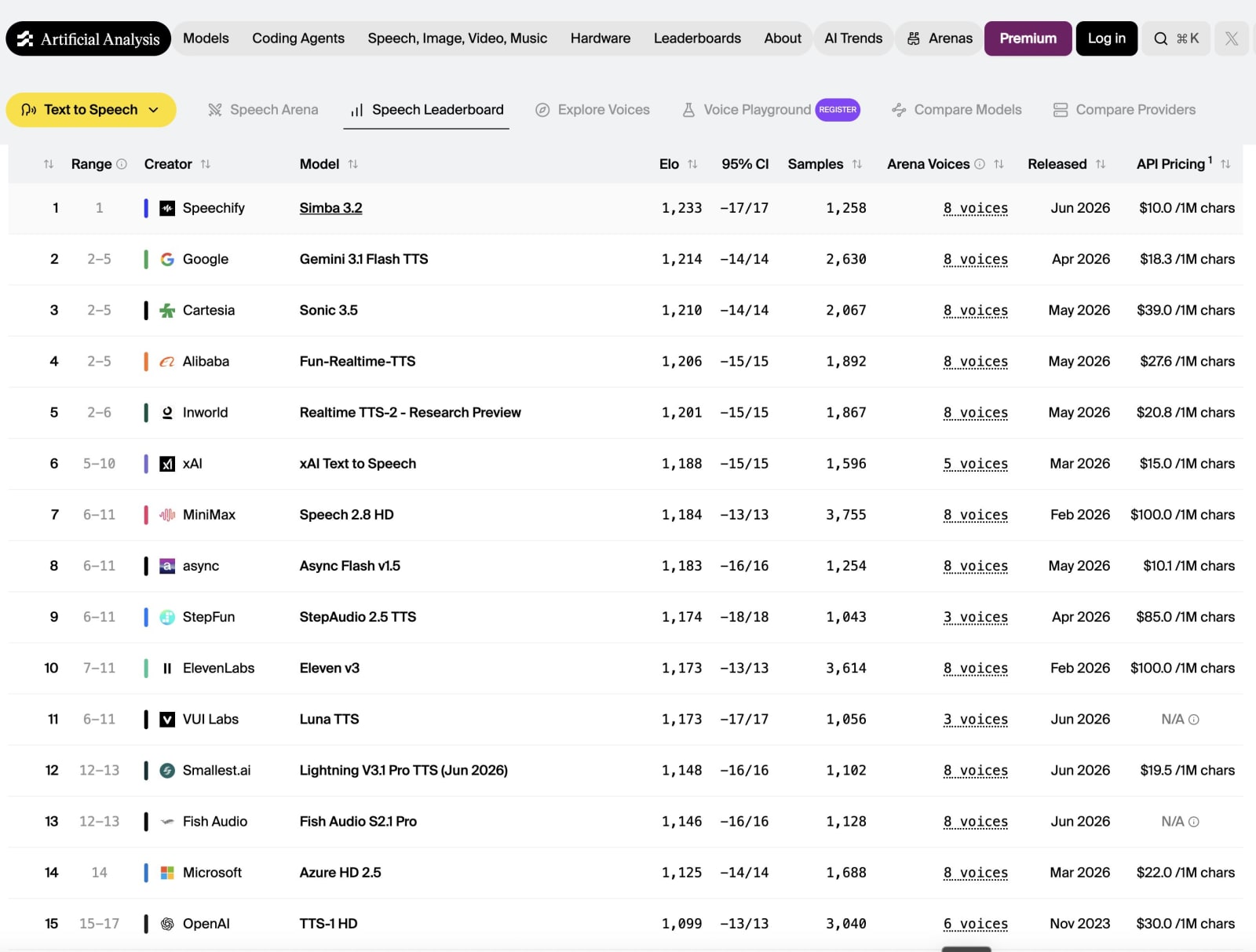
Here are 10 AI voice generators worth considering in 2026.
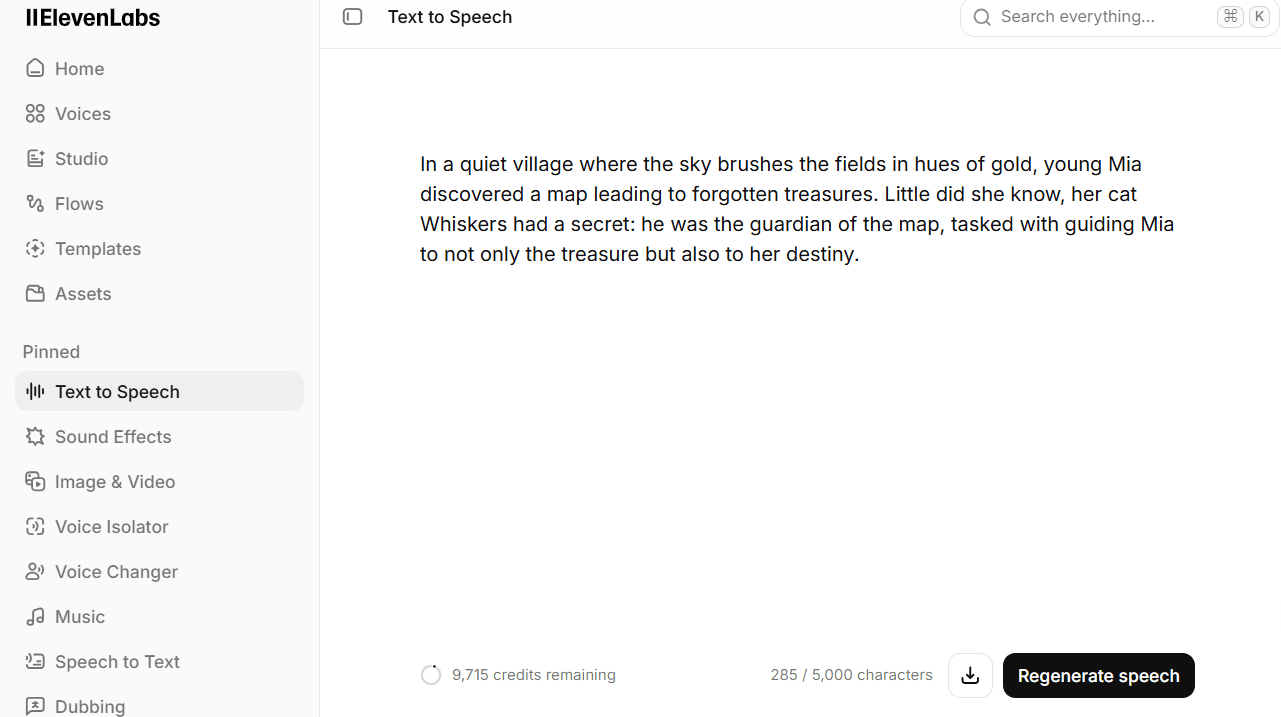
1. ElevenLabs
ElevenLabs is one of the most popular AI voice platforms for creators who want realistic and expressive narration. Its voices can sound conversational, making it a strong choice for storytelling, documentaries, educational videos, and premium podcast content.
It also offers voice cloning options, allowing creators to build a consistent voice identity when they have the right permissions.
Best for
Realistic YouTube narration
Documentary and storytelling channels
Podcast intros and voiceovers
Audiobook-style content
Key features
Natural-sounding AI voices
Voice cloning tools
Multiple language support
Controls for style and delivery
API access for larger workflows
Limitation
The most advanced features and higher usage limits may require a paid plan.
2. Speechify
Speechify is widely known for converting text into speech for listening, studying, and content creation. It provides clear voices that work well for simple narration, tutorials, educational content, and repurposing written articles into audio.
It is especially useful if you want to create voiceovers quickly without learning complex audio software.
Best for
Educational YouTube videos
Blog-to-audio content
Simple podcast narration
Students and beginner creators
Key features
Easy text-to-speech conversion
Variety of voice styles
Mobile and web access
Supports reading documents and web content
Fast voiceover creation
Limitation
Some voices may feel less expressive than specialized cinematic voice platforms.
3. Descript
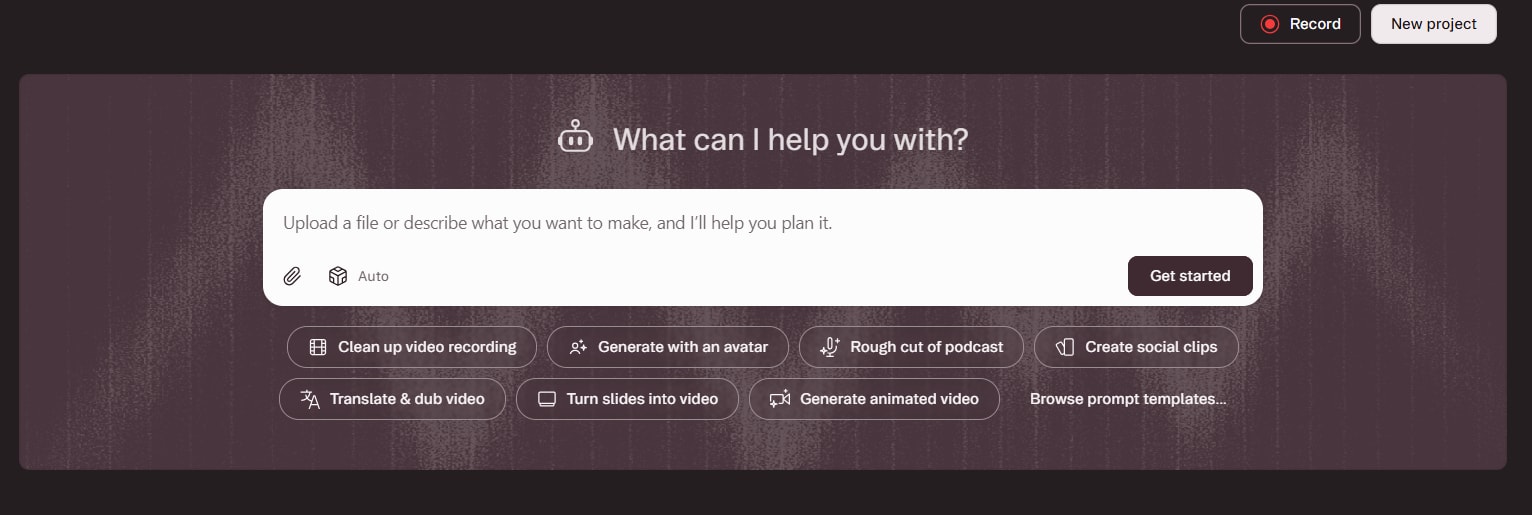
Descript combines AI voice generation with audio and video editing. Instead of switching between multiple tools, creators can write, edit, record, generate captions, and improve audio in one workspace.
A major advantage is text-based editing. You can edit a video or podcast by editing the transcript, which saves time during production.
Explore for more youtube podcasts
Best for
Podcast editing
YouTube tutorials
Teams producing regular content
Removing filler words and retakes
Key features
Text-based audio and video editing
AI voice tools
Transcript generation
Screen recording
Captions and subtitles
Audio cleanup features
Limitation
It is more of a complete production platform than a simple voice generator, so beginners may need time to explore its tools.
4. Murf AI
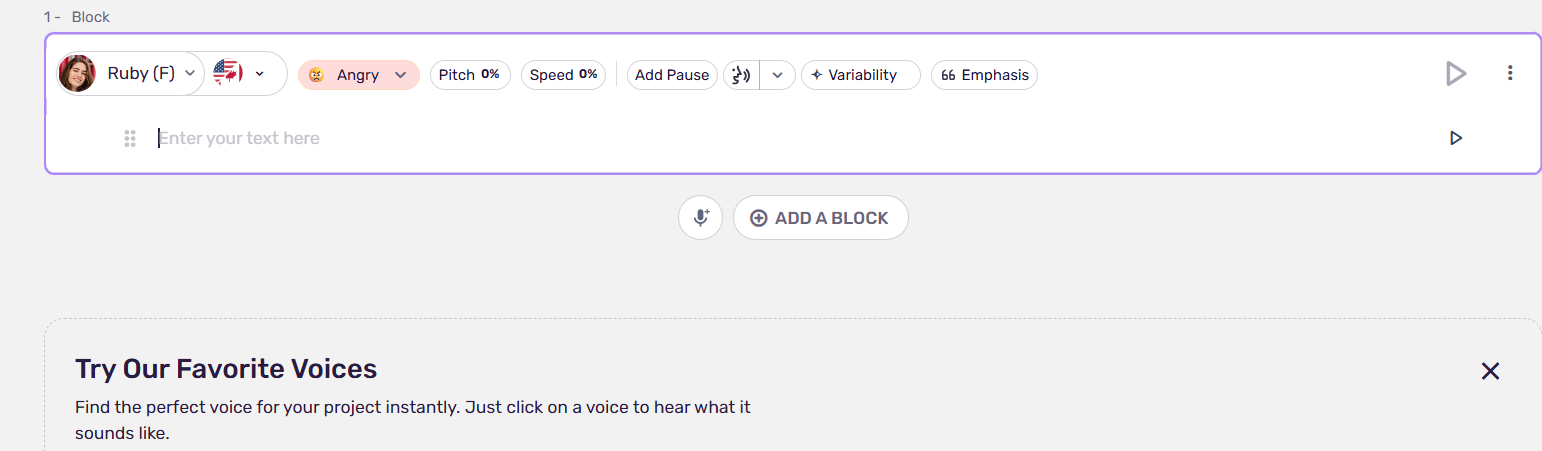
Murf AI is designed for professional voiceovers and business-friendly content. It offers a clean interface where users can create narration for presentations, ads, explainers, training videos, and podcasts.
Creators can adjust pauses, emphasis, pronunciation, speed, and pitch to make the narration fit their script better.
Best for
Product explainers
Corporate videos
Online courses
Marketing content
Professional presentations
Key features
Large voice library
Voice customization controls
Script-based editor
Pronunciation adjustments
Background music and media options
Limitation
Some advanced editing and export features are restricted to premium plans.
5.PlayHT
PlayHT is a strong option for creators who need a large collection of AI voices and language choices. It is useful for producing content for audiences in different countries or testing several narration styles before selecting one.
Its API options can also help developers add text-to-speech features to websites, apps, or automated content workflows.
Best for
Multilingual YouTube channels
Websites and apps
Automated voice content
Creators who need many voice choices
Key features
Wide selection of AI voices
Multiple languages and accents
Voice cloning options
API integration
Downloadable audio files
Limitation
With many available voices, it can take time to find the perfect one for your brand.
6. LOVO AI
LOVO AI is built for content creators, marketers, and businesses that need high-quality voiceovers without hiring voice actors for every project. It offers different voice styles for ads, social videos, explainers, and storytelling.
Its built-in production tools make it useful for people who want to combine narration with visuals, subtitles, and basic editing.
Best for
Marketing videos
Social media reels
YouTube ads
Brand voiceovers
Short-form content
Key features
Expressive AI voices
Voice style selection
Video production workspace
Subtitle tools
Script assistance features
Limitation
For long podcast episodes, you should carefully review the pacing and pronunciation before publishing.
7. WellSaid Labs
WellSaid Labs focuses on polished, professional AI voices. It is often suitable for companies, training teams, agencies, and creators who want a reliable voice for branded content.
The platform is particularly useful when your narration needs to sound clear, controlled, and professional rather than highly dramatic.
Best for
E-learning courses
SaaS product demos
Business podcasts
Training content
Brand videos
Key features
Professional voice styles
Consistent narration quality
Team collaboration options
Studio-style voiceover editor
Commercial-friendly use cases
Limitation
It may be more suitable for business content than casual entertainment channels.
8. Synthesia
Synthesia is best known for AI avatar videos, but its voice capabilities are also useful for creators who want narration with an on-screen digital presenter. It can be a practical choice for tutorials, employee training, product walkthroughs, and multilingual business videos.
Instead of recording yourself on camera, you can create a script-based video with an AI avatar and voice.
Best for
Training videos
Product demos
Internal business communication
How-to videos
Multilingual video content
Key features
AI avatars
AI voiceovers
Multiple languages
Script-to-video workflow
Custom branding options
Limitation
It is not ideal if you only need an audio file for a traditional podcast.
9. Amazon Polly
Amazon Polly is a cloud text-to-speech service from AWS. It is more technical than creator-focused tools such as Murf or ElevenLabs, but it is powerful for developers, websites, apps, and automated systems.
If you are building a product that needs scalable voice generation, Amazon Polly can be a practical option.
Best for
Developers
Mobile apps
Websites
Automated voice workflows
Large-scale text-to-speech projects
Key features
Cloud-based text-to-speech
Developer APIs
Multiple languages
Scalable usage
Neural voice options
Limitation
It requires more technical setup and is less convenient for creators who want a visual editing studio.
10. Microsoft Azure AI Speech
Microsoft Azure AI Speech provides text-to-speech technology for developers, enterprises, and larger production systems. It supports customizable voices, language options, and API-based workflows.
It can be useful for companies building accessible apps, customer-support systems, learning platforms, and voice-enabled products.
Best for
Enterprise applications
Accessibility tools
E-learning platforms
Developers and SaaS products
Multilingual voice experiences
Key features
Neural text-to-speech
Voice customization options
Broad language support
API integration
Enterprise cloud infrastructure
Limitation
It is better suited to technical teams than creators looking for a quick drag-and-drop voiceover tool.
How to Choose an AI Voice Generator
Before choosing a platform, consider these important factors.
Voice realism
Listen to several sample voices before paying. A natural voice should have good pacing, clear pronunciation, and enough emotion for your content style.
Content type
A faceless YouTube documentary may need an expressive cinematic voice. A business tutorial may need a clear and calm voice. A podcast intro may need a more energetic style.
Language support
If you plan to reach international viewers, choose a tool with accurate voices for your target languages and regional accents.
Commercial licensing
Always check the platform’s current commercial-use terms before publishing monetized YouTube videos, ads, client work, or paid courses.
Editing controls
Useful controls include pauses, pronunciation changes, speed, pitch, emphasis, and emotional style. These can make a major difference in the final result.
Budget
Many platforms offer free trials or limited free credits. Test a short script first, then choose a plan based on how often you publish.
Can You Monetize YouTube Videos With AI Voices?
Yes, AI-voiced videos can be monetized when they follow YouTube’s policies and provide original value. Simply combining copied text, stock footage, and a generic AI voice may struggle to build trust or perform well.
To create stronger content, add your own research, scriptwriting, editing, visual storytelling, opinion, examples, and useful structure. AI narration should support your content—not replace originality.
Tips for Better AI Voiceovers
Write short, conversational sentences.
Add punctuation to control pauses and rhythm.
Spell difficult names phonetically if the tool mispronounces them.
Use different voices for narration and quoted dialogue when appropriate.
Review every export before publishing.
Avoid cloning a real person’s voice without clear permission.
Add background music carefully so it does not overpower the narration.
Bottom Line
AI voice generators can help YouTubers and podcasters create content faster, experiment with new formats, and reach audiences in more languages. The best choice depends on your workflow.
Choose ElevenLabs for highly natural narration, Descript for podcast editing, Murf AI for professional explainers, Synthesia for avatar videos, and Amazon Polly or Azure AI Speech for developer projects.
The most successful creators will use AI voices with original scripts, thoughtful editing, and a clear content strategy. That is what turns AI-generated audio into content people actually want to watch and listen to.