10 Best ChatGPT Alternatives in 2026: Top AI Tools to Try
Discover the 10 best ChatGPT alternatives in 2026 for writing, coding, research, productivity, and more. Compare Claude, Gemini, Perplexity, DeepSeek, and other AI tools.

ChatGPT is one of the most popular AI assistants, but it is not the best choice for every job. Some alternatives are better for long documents, research with sources, Google Workspace, Microsoft 365, coding, privacy, or comparing multiple AI models.
The right tool depends on what you need to do. A student researching current information may prefer an AI search tool. A developer may want a coding-focused assistant. A business already using Google or Microsoft products may get more value from an assistant built into its existing workflow.
Here are 10 strong ChatGPT alternatives to try in 2026.
Quick Comparison
AI tool | Best for | Why try it |
|---|---|---|
Claude | Long documents, writing, and coding | Clear responses and strong document analysis |
Google Gemini | Google ecosystem users | Works well for brainstorming and Google-based workflows |
Perplexity | Research with sources | Gives web-based answers with citations |
Microsoft Copilot | Microsoft 365 productivity | Helps in Word, Excel, PowerPoint, and Outlook workflows |
DeepSeek | Cost-conscious technical users | Useful for reasoning and coding experiments |
Mistral Le Chat | Fast general AI assistance | A capable alternative for everyday chat tasks |
Grok | Real-time conversation and X users | Useful for trend-focused questions and discussion |
Poe | Trying multiple AI models | Lets users access and compare different bots in one place |
You.com | Search plus AI assistance | Combines web search with conversational answers |
Pi | Friendly everyday conversation | Good for casual discussion and reflection |
1. Claude
Best for: Long documents, thoughtful writing, analysis, and coding help.
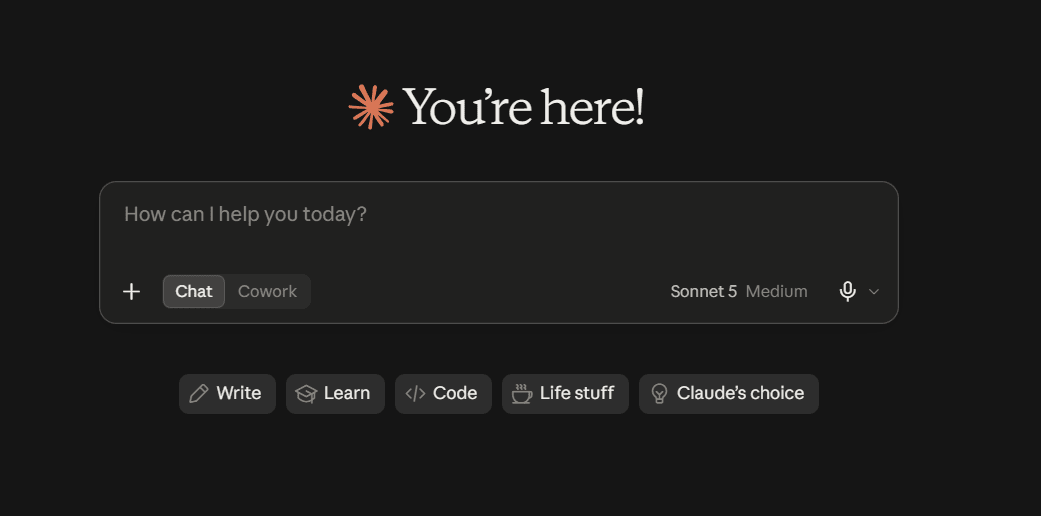
Claude by Anthropic is one of the closest alternatives to ChatGPT. It is widely used for writing, summarizing lengthy files, analyzing complex instructions, brainstorming, and programming support.
Claude is particularly useful when you need a well-structured answer from a large amount of text. You can paste a report, policy document, meeting notes, or code file and ask for a summary, risks, action items, or a clearer rewrite.
For writers, Claude is often useful for improving tone without making the result sound overly robotic. For developers, it can explain code, suggest refactoring ideas, and help debug errors when you provide enough context.
Try Claude if: You work with long documents or want detailed, calm, structured explanations.
2. Google Gemini
Best for: Google users, brainstorming, planning, and multimodal help.
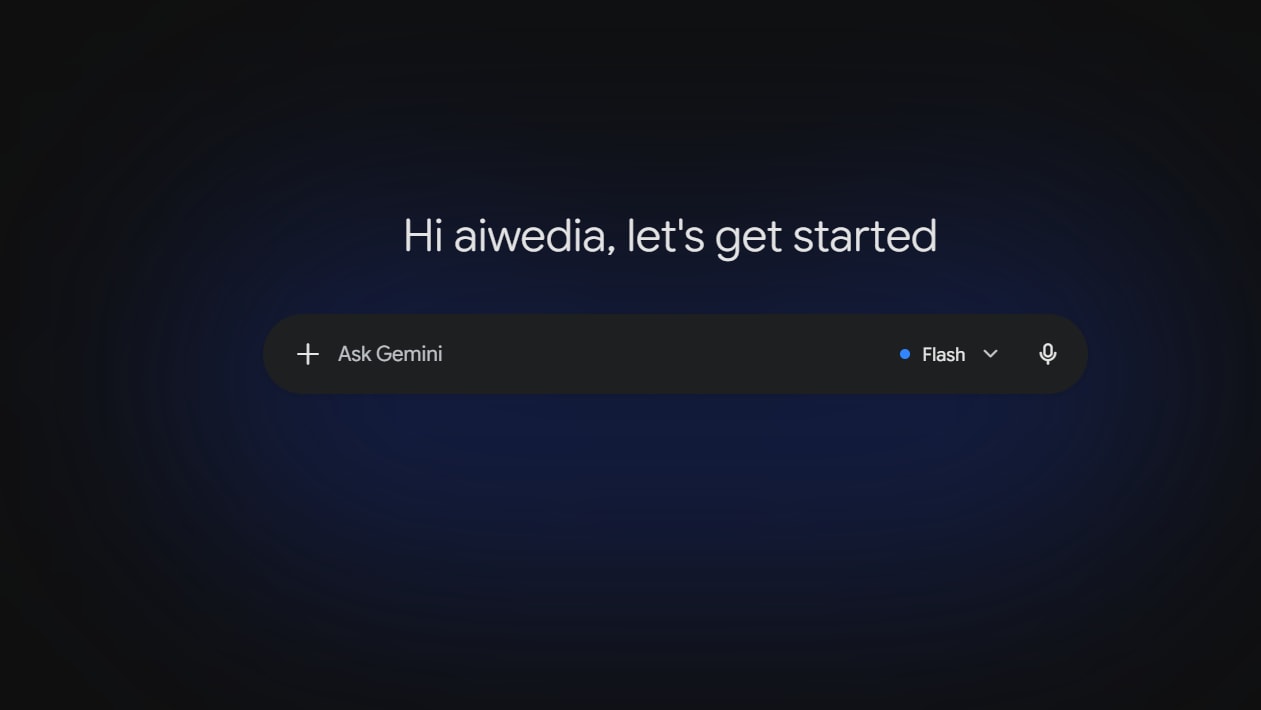
Google Gemini is a natural choice for people who already use Google Search, Gmail, Docs, Drive, Android, and other Google services. It can help with writing, learning, planning, summarizing information, and creative tasks.
Gemini is useful when you want to talk through an idea, simplify a difficult topic, create a study plan, or turn rough notes into an organized draft. Its ecosystem connection can also make it convenient for users who already keep their work in Google tools.
Use it for blog outlines, email drafts, travel plans, study notes, social media ideas, or explanations of technical subjects.
Try Gemini if: Your daily work already happens in Google products.
3. Perplexity
Best for: Researching current topics with visible sources.
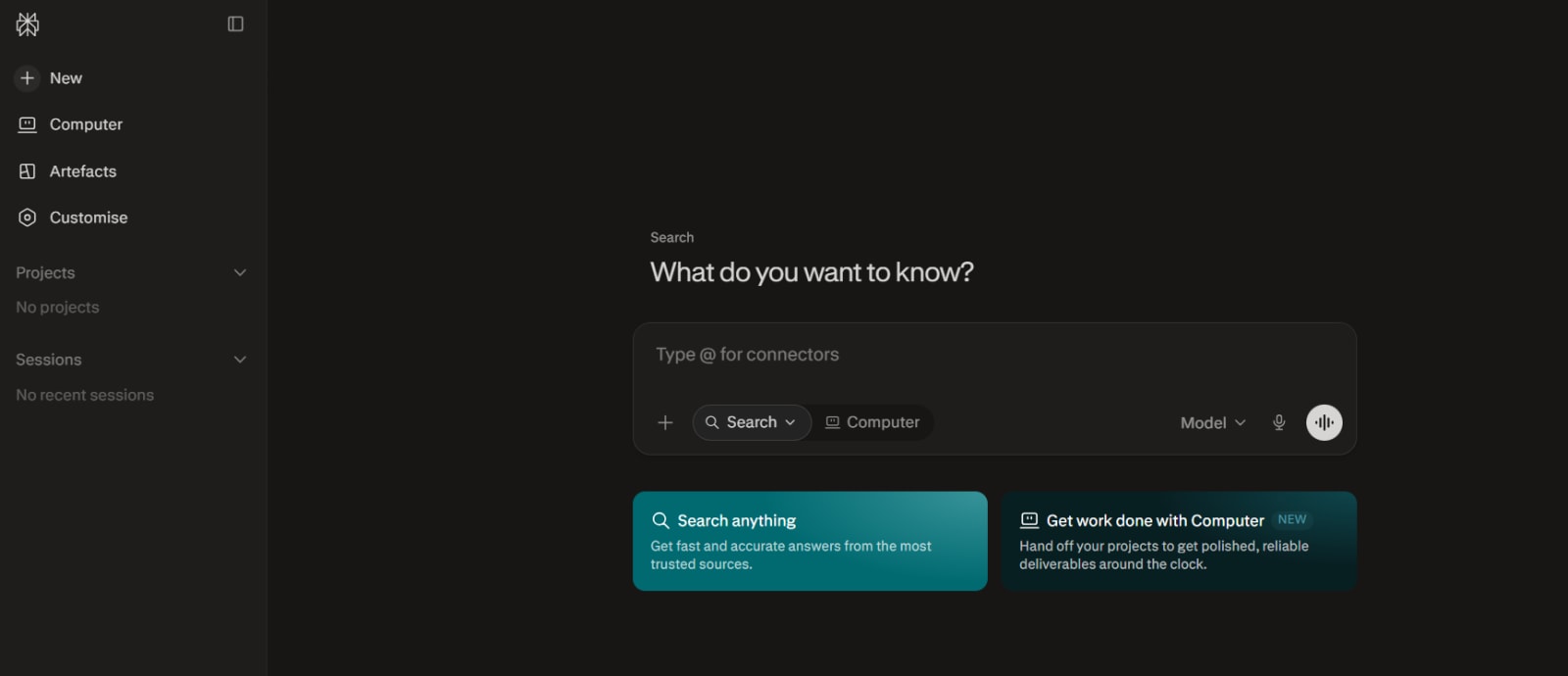
Perplexity is different from a typical chatbot because it works like an AI-powered answer engine. It searches the web, creates a direct answer, and usually shows links or citations so you can check where the information came from.
This makes it useful for current events, product research, statistics, travel planning, market research, and SEO research. It can save time compared with opening many search-result tabs, but you should still open important sources yourself—especially for legal, financial, medical, or business decisions.
For bloggers, Perplexity can help find reliable starting sources before writing an article. Do not copy its wording; use the sources to create your own original explanation.
Try Perplexity if: You need fresh information and want to verify the sources behind an answer.
4. Microsoft Copilot
Best for: Work, documents, spreadsheets, presentations, and email.
Microsoft Copilot is especially valuable for people who use Microsoft 365. It can support common productivity tasks in Word, Excel, PowerPoint, Outlook, and other Microsoft tools.
For example, it can help draft or rewrite a document, summarize an email thread, suggest Excel formulas, identify trends in data, or turn notes into a presentation outline. This is useful for office teams that spend most of their day working inside Microsoft applications.
Copilot is not only about chatting. Its biggest benefit is reducing repetitive work inside tools many businesses already use.
Try Microsoft Copilot if: You use Word, Excel, PowerPoint, and Outlook regularly.
5. DeepSeek
Best for: Technical users, coding experiments, and cost-conscious AI use.
DeepSeek has become a popular option among developers and users interested in AI models for reasoning, programming, and technical problem-solving. Depending on the version and access method, it can be useful for explaining algorithms, generating code examples, reviewing logic, and working through math or programming questions.
Like every AI tool, it can make mistakes. Test generated code, avoid pasting sensitive credentials, and review technical recommendations before using them in production.
Try DeepSeek if: You want another option for coding or logical problem-solving.

6. Mistral Le Chat
Best for: Quick general-purpose AI help and a different model perspective.
Le Chat from Mistral is a useful alternative for everyday tasks such as summarizing text, creating ideas, rewriting content, answering questions, and organizing information. Trying different models can be valuable because each one may explain a topic differently or notice a different issue in your prompt.
It can be a good second opinion when you are drafting an article, planning a project, or checking whether an explanation is clear enough for beginners.
Try Mistral Le Chat if: You want a fast general assistant beyond the biggest platforms.

7. Grok
Best for: Trend-driven questions and people active on X.
Grok is an AI assistant associated with the X ecosystem. It can be useful for discussing recent trends, technology conversations, internet culture, and topics that move quickly online.
However, do not treat trending posts as verified facts. Viral information can be incomplete, misleading, or simply wrong. For important claims, confirm information with original reporting, official company announcements, public documents, or trusted sources.
Try Grok if: You want to explore fast-moving online conversations and trending topics.
8. Poe
Best for: Comparing several AI models in one app.
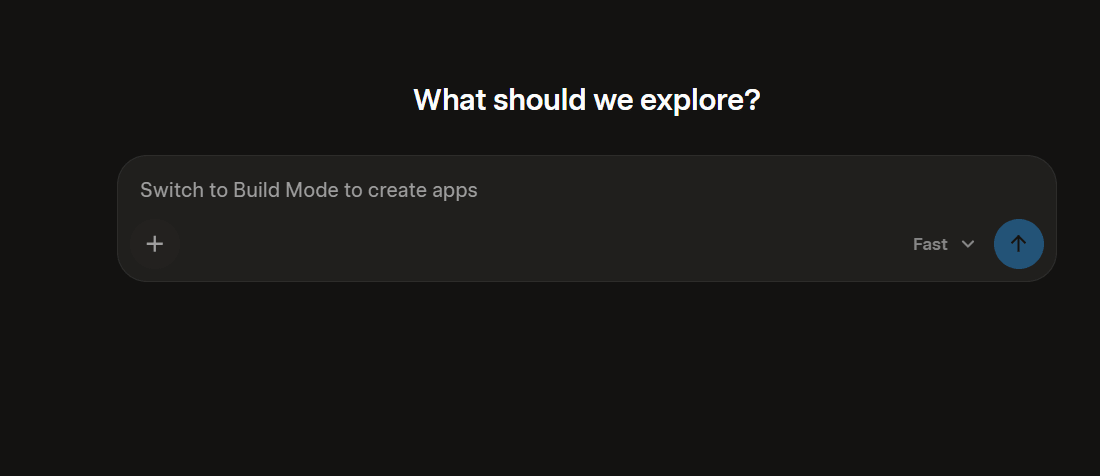
Poe is helpful for users who do not want to rely on only one AI assistant. It provides access to multiple bots and models, making it easier to compare answers for writing, coding, role-play, explanations, and brainstorming.
This is useful because no model is perfect. You can ask the same question to two or three assistants, compare the results, and keep the clearest or most accurate response after checking it.
Try Poe if: You want model choice without switching between many separate websites.

9. You.com
Best for: People who want AI answers alongside web search.
You.com combines search-style discovery with AI assistance. It can help users explore a topic, compare options, summarize web information, and continue the conversation with follow-up questions.
It is useful for research tasks where you want both a direct answer and the ability to inspect search results. As with any AI search product, check sources before using facts in a report, article, or purchase decision.
Try You.com if: You prefer a blend of traditional search and chat-based research.
10. Pi
Best for: Casual, friendly conversations and personal reflection.
Pi is designed around natural conversation. It is less focused on heavy research or technical work and more useful for talking through ideas, daily routines, decisions, motivation, and personal goals.
It can be a comfortable option when you want a conversational sounding-board rather than a research tool. Still, it should not replace licensed professionals for medical, legal, mental-health, or financial guidance.
Try Pi if: You want a friendly assistant for everyday conversation and reflection.
Which ChatGPT Alternative Is Best for You?
If you need… | Choose… |
|---|---|
Long PDFs, documents, and detailed writing | Claude |
Research with cited web sources | Perplexity |
Google apps and Android workflows | Gemini |
Word, Excel, PowerPoint, or Outlook assistance | Microsoft Copilot |
Coding and technical experiments | DeepSeek or Claude |
Multiple models in one place | Poe |
Trend-focused online discussion | Grok |
Search plus AI responses | |
Casual conversations | Pi |
Tips for Using Any AI Tool Better
The quality of an AI answer depends greatly on your prompt. Instead of asking, “Write an article about AI tools,” give clear details such as:
Who the article is for.
The target keyword or topic.
The desired tone and word count.
Facts, examples, or links to include.
What the tool should avoid saying.
The format you need, such as a table, FAQ, script, or outline.
Also remember these basic rules:
Verify important facts and current information.
Never share passwords, API keys, bank details, or private customer data.
Test AI-generated code before deploying it.
Add your own knowledge, examples, and opinion before publishing AI-assisted content.
Compare answers from more than one tool when accuracy matters.
Bottom Line
ChatGPT remains a powerful all-round AI assistant, but it is no longer the only strong option. Claude is excellent for long-form work, Gemini fits naturally into Google workflows, Perplexity is useful for research, and Copilot is valuable for Microsoft 365 users.
Try two or three tools with the same real task—such as writing an email, summarizing a PDF, researching a topic, or debugging code. The best AI tool is the one that gives you useful, accurate results and fits smoothly into the way you already work.